Supported Independent Living can provide important assistance for people with disability who need significant support to live as independently as possible. It can involve help with personal care, cooking, household tasks and other daily activities within a shared living arrangement.
During 2026, several important changes have been introduced for NDIS Supported Independent Living. Participants and providers should understand these changes and consider how they may affect their arrangements.
What is NDIS Supported Independent Living?
NDIS supported independent living, commonly known as SIL NDIS support, is designed for people who need substantial assistance at home.
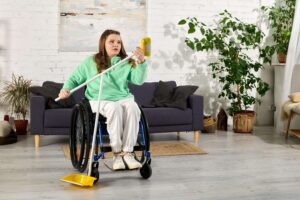
The NDIS explains that SIL may be suitable for a participant who needs support workers for much of the day, including assistance with daily activities and some level of support or supervision at other times. Support can include personal care, showering, dressing, eating, cooking and household tasks.
SIL is intended to support independence and help participants develop skills while receiving the assistance they need.
SIL and shared living
NDIS shared living arrangements can provide participants with access to support within a home shared with other residents.
However, supported independent living is different from the physical housing itself. Specialist Disability Accommodation, for example, relates to the home, while SIL relates to the support workers who assist the participant. A participant may have both types of support depending on their circumstances.
The right living arrangement should be based on the participant’s individual needs, preferences and goals.
What changed from July 2026?
From 1 July 2026, new claiming requirements apply to SIL supports.
The NDIS introduced a new support code for SIL delivered from 1 July 2026. Providers use code 0138 for Assistance with Supported Independent Living, while the previous code 0115 continues to apply to supports delivered before 1 July 2026.
These changes are important for providers because correct claiming and invoicing are part of delivering NDIS supports appropriately.
Mandatory registration for SIL providers
Another significant 2026 development is mandatory registration for SIL providers.
The NDIS has advised that providers delivering SIL must register or apply to register by 1 October 2026 if they want to continue providing SIL after that date. Participants using SIL have been advised to ask their provider whether they are registered or intend to register.
The NDIS has also stated that a participant’s plan and funding will not change simply because of the provider registration requirement. If a provider registers, the participant does not need to change providers for this reason. If a provider does not register, the participant may need to move to a registered provider.
More flexibility in shared accommodation
Another change introduced during 2026 relates to Programs of Support.
From 1 July 2026, Programs of Support can also be used for daily personal activities delivered in a shared accommodation setting. These agreements can last for up to six months and outline the activities being delivered, the outcomes being worked towards and the level of support required.
Participants can leave a Program of Support by giving up to two weeks’ notice without a cost.
What this means for participants
For participants, the focus should remain on whether their living arrangement provides appropriate support and helps them work towards their personal goals.
A good NDIS shared living arrangement should respect individual choices and provide appropriate support rather than treating every resident in exactly the same way.
Participants can also ask questions about how their supports are delivered, who provides them and whether their provider meets the relevant registration requirements.
What this means for providers
Providers need to understand the new claiming requirements, registration obligations and practice expectations.
Accurate documentation, appropriate invoicing and clear communication with participants are important parts of delivering quality SIL services.
Providers should also keep up to date with information from the NDIS and NDIS Quality and Safeguards Commission because the broader reforms are continuing throughout 2026.
Supporting independence through SIL
At Imperial Health Care, our approach to supported independent living focuses on providing respectful assistance while encouraging participants to develop confidence and practical skills.
Support may involve everyday activities such as cooking, cleaning, personal care and budgeting, depending on individual needs and the participant’s plan.
The purpose of support is not simply to complete household tasks. It can also help participants participate in their own routines and work towards greater independence.
A changing NDIS landscape
The SIL changes introduced in 2026 are important for both participants and providers.
Understanding new claiming arrangements, registration requirements and support options can help participants make informed choices about their living arrangements.
At Imperial Health Care, we are committed to keeping participant needs at the centre of our services and providing compassionate support that promotes dignity, choice and independence.