Independence is built through everyday experiences. Learning how to prepare a meal, organise personal belongings, communicate needs, manage a routine or plan a journey can create greater confidence over time.
For NDIS participants, life skills development can provide practical opportunities to build these abilities in a way that suits their individual needs.
NDIS skill development is not about expecting everyone to achieve the same outcomes. It is about identifying the skills that matter to each person and providing appropriate support to help them work towards their goals.
What is NDIS life skills development?
NDIS life skills development focuses on building practical abilities that can help a participant become more independent.
This may include skills related to household activities, communication, decision making, problem solving, personal routines, community participation and travel.
The NDIS recognises Development of Daily Living and Life Skills as a support area focused on training and development activities that can increase a participant’s ability to live as independently as possible. It can also include support to develop independent travel and public transport skills.
Everyday skills can make a big difference
Small tasks can become important milestones.
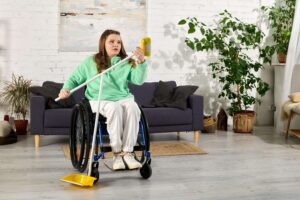
A participant who learns how to prepare a simple breakfast may become more confident in the kitchen. Someone who learns how to create a shopping list may begin taking more responsibility for household planning.
Another participant may learn how to organise appointments or use public transport with greater confidence.
These achievements may appear simple, but they can contribute to a greater sense of control and independence.
Learning at the participant’s pace
Everyone learns differently.
Some participants may understand a new task quickly, while others may need repetition, visual prompts or step by step assistance.
Effective independence support should recognise these differences.
Rather than rushing a participant through a task, support workers can break activities into manageable steps and provide encouragement. Over time, the level of assistance can change as the participant becomes more comfortable.
This approach can help create a positive learning experience.
Developing decision making skills
Life skills are not only practical tasks.
Decision making is also an important part of independence.
Participants may practise choosing meals, deciding how to organise their day, selecting activities or communicating their preferences.
Being involved in these decisions can help participants become more confident about expressing what they want and need.
Communication and problem solving
Communication skills can support many areas of daily life.
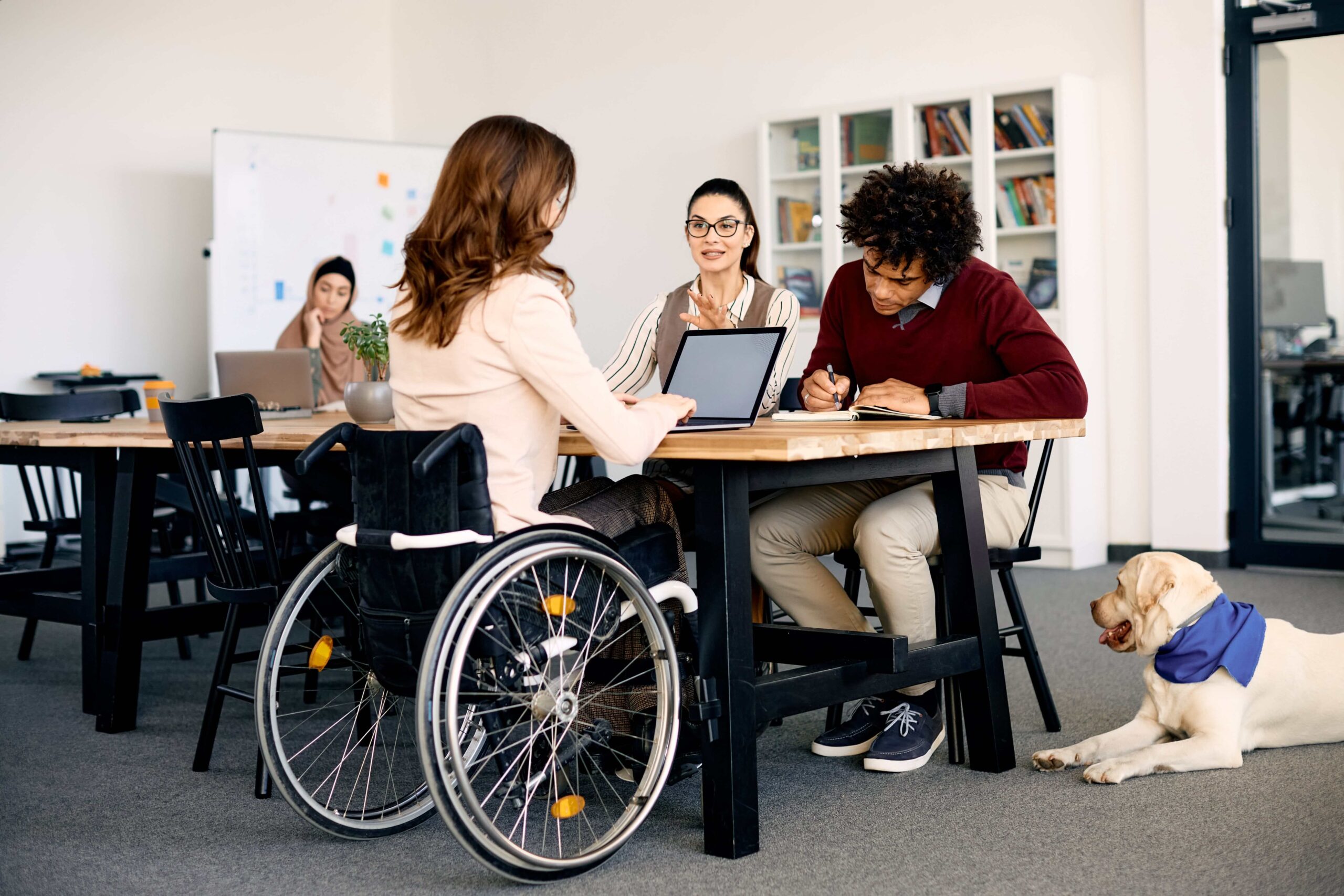
A participant may need to communicate with a support worker, shop assistant, employer, healthcare professional or community member.
Learning how to ask for assistance, explain a preference or respond to an unexpected situation can be valuable.
Problem solving can also help participants manage everyday challenges. A support worker can encourage the participant to think through possible solutions instead of immediately solving the problem for them.
Life skills and the 2026 NDIS changes
The NDIS is introducing changes to some support budgets during 2026. From 1 October 2026, budgets for Social, Economic and Community Participation and Improved Daily Living Skills will be reduced progressively as plans are created or reassessed. Renewed plans will be affected from February 2027.
The impact will differ between participants because NDIS plans are based on individual needs and circumstances.
Participants should therefore look at their own plan and current NDIS guidance when considering how changes may affect their supports.
Turning support into progress
The best NDIS life skills training should have a purpose.
Rather than practising a task simply because it is available, participants can work on skills connected to their own goals.
For someone hoping to live more independently, household and budgeting skills may be important. For someone interested in employment, communication, punctuality and workplace routines may be more relevant.
Support can therefore become part of a broader pathway towards independence.
How Imperial Health Care supports skill development
At Imperial Health Care, we provide personalised support that takes into account each participant’s abilities, preferences and goals.
Our life skills services can support areas such as communication, decision making and problem solving. We also provide assistance with daily activities, household tasks and community participation.
Our team aims to encourage participants to take part in their routines and develop confidence at their own pace.
Building confidence one skill at a time
Independence rarely happens overnight.
It is often the result of many small achievements that gradually build confidence.
Learning to prepare a meal, manage a routine, communicate a need or travel more independently can all be meaningful steps.
With appropriate NDIS independence support, participants can work towards practical goals while receiving assistance that respects their choices.
At Imperial Health Care, we are committed to supporting participants through these everyday steps and helping them build greater confidence in their abilities.