Cooking dinner, cleaning the house and managing a budget may seem like ordinary responsibilities. For many people, these tasks are simply part of everyday life. For an NDIS participant, however, learning or maintaining these skills can represent an important step towards greater independence.
NDIS household tasks and life skills support can help participants build practical abilities while receiving assistance that reflects their individual needs.
The goal is not to expect someone to manage everything alone. It is to help them participate, learn and develop confidence wherever possible.
Why everyday skills matter
Everyday skills influence many parts of life.
Cooking can support healthier routines and give a participant more control over what they eat. Cleaning can contribute to a safe and comfortable home. Budgeting can help someone understand their spending and make informed choices.
These skills can also connect with broader goals such as living independently, participating in the community or preparing for employment.
Cooking as a life skill
Cooking can involve several different abilities.
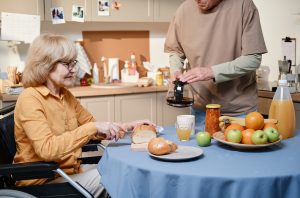
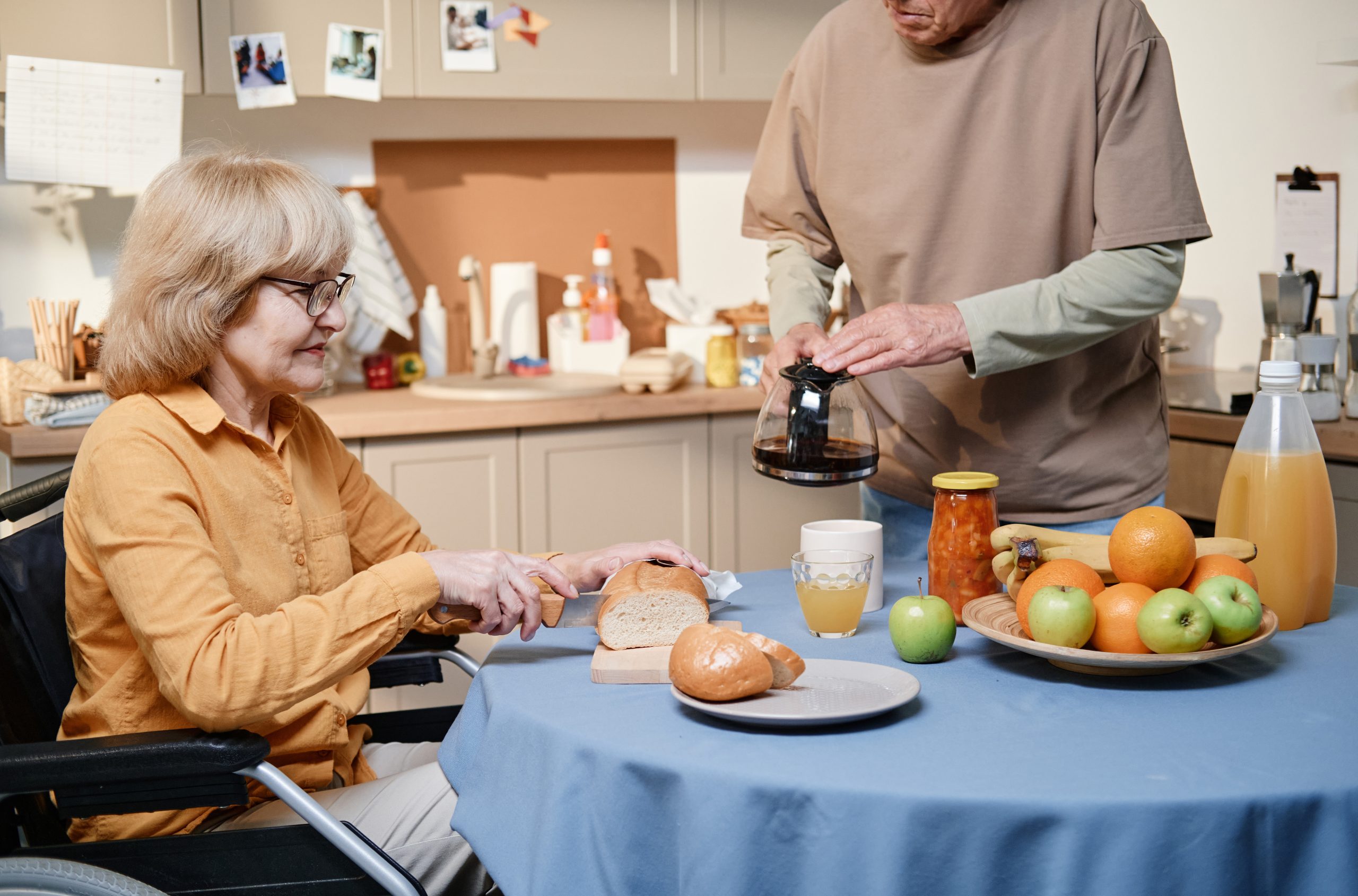
A participant may need to choose a meal, make a shopping list, purchase ingredients, follow a recipe, prepare food safely and clean the kitchen afterwards.
Someone who finds some of these activities difficult may benefit from step by step support.
For example, a support worker might help a participant plan a simple meal while allowing them to choose the ingredients. The participant may then take part in preparing the food, with assistance provided where required.
Over time, this can help build confidence and practical skills.
Cleaning and household routines
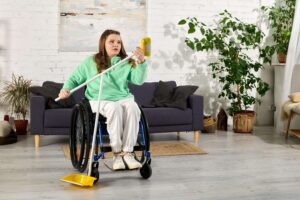
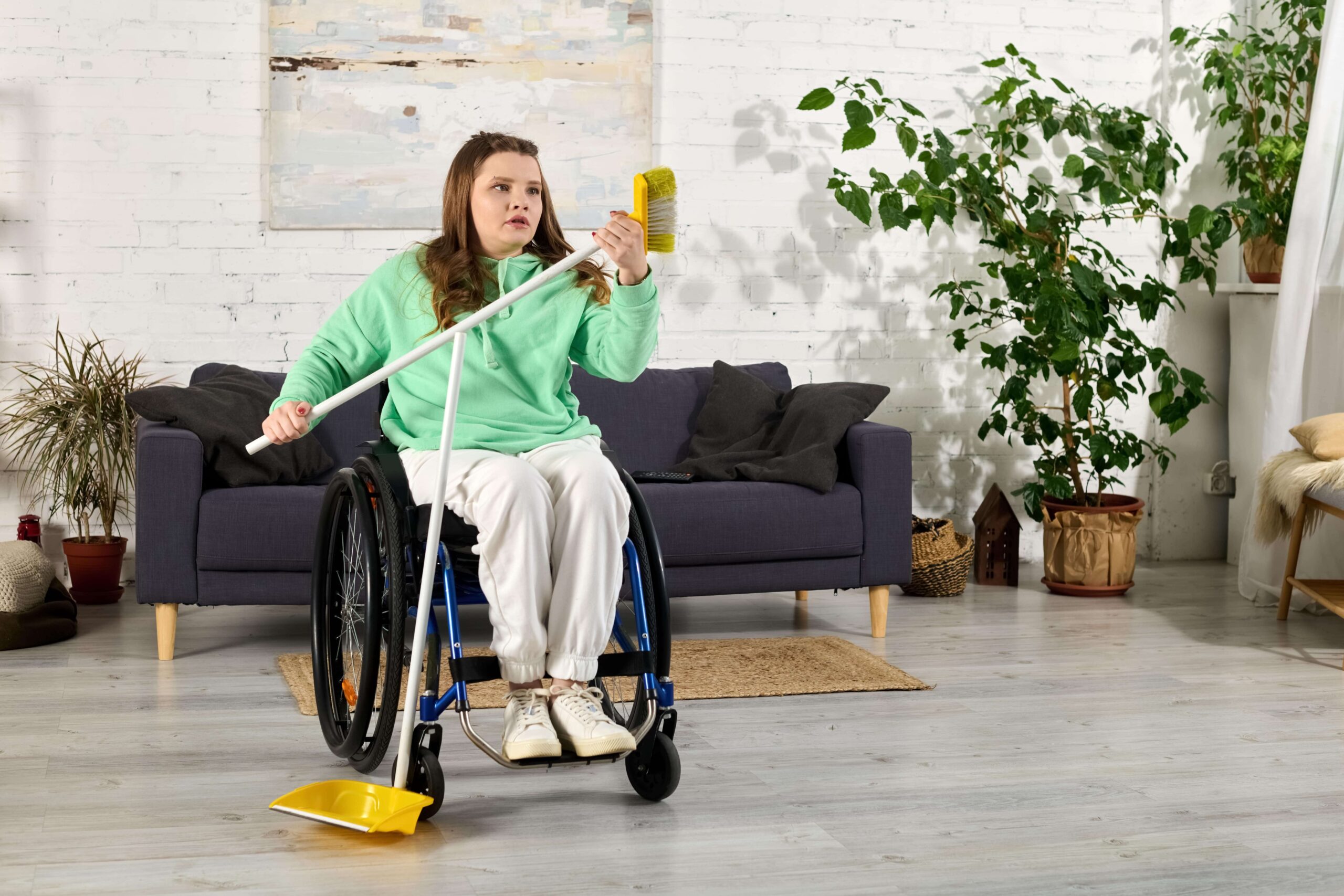
Keeping a home clean can involve many different tasks, including washing dishes, doing laundry, organising belongings and cleaning surfaces.
NDIS household tasks can provide assistance where a participant is unable to undertake essential household activities because of their disability.
The NDIS identifies household tasks and assistance with daily life as areas where participants may receive support with activities such as cleaning, cooking and other everyday tasks, depending on their plan and circumstances.
Support can also be used as an opportunity to encourage participation.
A participant may not be able to complete every part of a cleaning task, but they may be able to complete some steps with guidance.
Learning to manage money
Budgeting is another important independent living skill.
Participants may benefit from learning how to understand prices, plan spending, compare products and keep track of regular expenses.
The level of support needed will vary between individuals.
For some participants, this may involve simple shopping activities. For others, it may mean learning how to organise a weekly budget or understand household expenses.
The goal is to build confidence and encourage informed decision making.
Why support should be personalised
Not everyone needs help with the same NDIS daily tasks.
One participant may need assistance with cooking but manage cleaning independently. Another may be comfortable preparing meals but need help organising household routines.
Personalised support considers these differences.
At Imperial Health Care, we believe participants should receive assistance based on their individual needs, preferences and goals.
Everyday skills and the 2026 NDIS changes
The NDIS is introducing changes to some support budgets from 1 October 2026. Budgets for Social, Economic and Community Participation and Improved Daily Living Skills will be reduced progressively as plans are created or reassessed.
At the same time, the NDIS has stated that some essential day to day supports will not be affected by this particular budget change. This includes assistance with eating, drinking, dressing, toileting, laundry and cleaning.
Participants should remember that the effect of the reforms depends on the supports included in their individual plan.
Building skills through everyday activities
One of the benefits of everyday activities is that they provide natural opportunities for learning.
A shopping trip can become an opportunity to practise budgeting. Preparing lunch can support meal planning. Cleaning a room can help develop organisation and routine.
The support worker can provide guidance while encouraging the participant to take an active role.
This approach can help transform ordinary tasks into meaningful learning experiences.
Supporting independent living
Independent living skills can contribute to confidence and quality of life.
Participants may gradually become more comfortable making decisions, completing household tasks and managing routines.
The journey will be different for every person, and progress should be measured against individual goals rather than someone else’s expectations.
Support from Imperial Health Care
Imperial Health Care provides personalised disability support designed around each participant.
Our services include assistance with daily activities, daily tasks and shared living, travel and transport, community participation and development of life skills.
We understand that independence can involve many small achievements. Our team works with participants respectfully and encourages them to participate in everyday activities wherever appropriate.
Cooking, cleaning and budgeting may look like simple tasks, but they can play an important role in helping people build confidence and greater control over their everyday lives.
With the right support, each small step can become part of a larger journey towards independence.